
Hear from Our Customers
You can’t fix what you can’t see. That’s the problem with mold—it hides in places you’d never think to check, releasing spores into the air your family breathes every day.
Professional mold testing gives you the full picture. Not just where mold is growing, but what type it is and how much of a problem you’re actually dealing with. That matters because black mold requires different handling than surface mildew, and guessing wrong can make things worse.
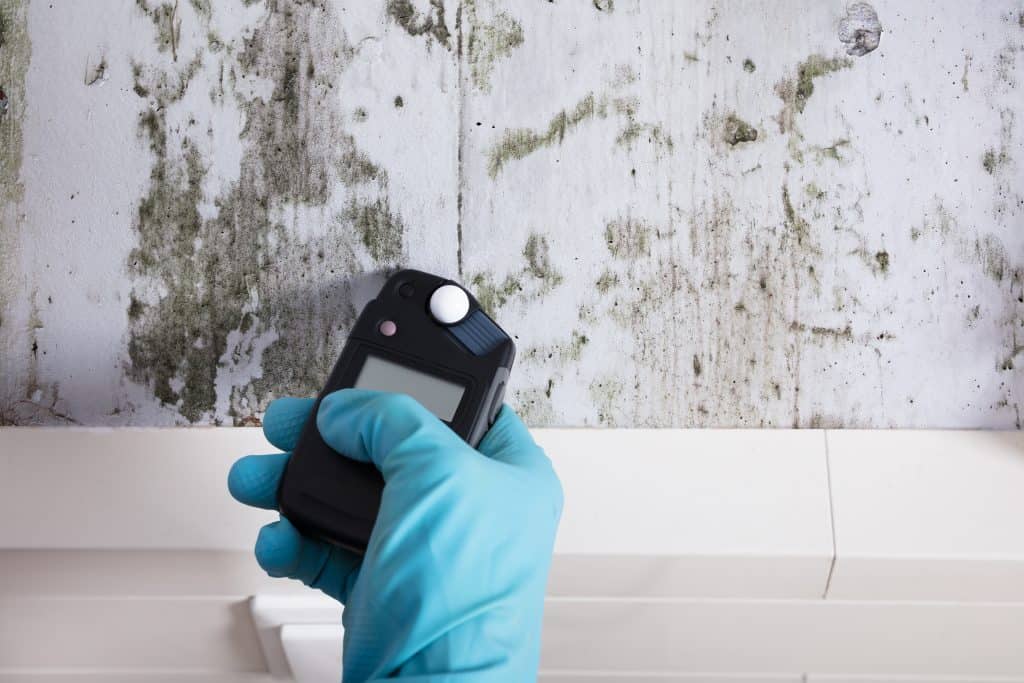
Our testing process uses advanced detection equipment to identify mold in your walls, crawl spaces, HVAC system, and air quality. You get a detailed report that shows exactly what’s happening in your home—no vague assessments or maybes. Just clear information about what needs attention and what doesn’t.
Once you know what you’re dealing with, you can make smart decisions about your next steps. Whether that’s targeted remediation, humidity control, or just monitoring a minor issue, you’ll have the facts you need.
Mack’s Mold Removal focuses on one thing: creating healthy homes in Bucks County. We understand the specific challenges that come with homes in Davisville and surrounding areas—the humidity, the older construction, the basements that never quite stay dry.
We’re not a national franchise following a script. We’re local mold check professionals who know that Pennsylvania’s climate creates perfect conditions for mold growth, especially during those humid summer months when temperatures hit 70-90°F and relative humidity climbs above 60%.
Our approach is straightforward. We inspect your property thoroughly, test what needs testing, and give you clear information about what we find. No upselling services you don’t need. No dramatic warnings about problems that don’t exist. Just honest assessment and practical recommendations.
We start with a free inspection of your property. That means walking through your home, checking the obvious spots and the ones most people miss—behind appliances, inside HVAC systems, around windows and foundations.
If we see visible mold or signs of moisture problems, we’ll recommend specific testing. That might mean air sampling to check spore levels, surface sampling to identify mold types, or moisture readings to find hidden water issues. We use the testing methods that actually answer your questions, not every test in the book.
You’ll get a detailed report within a few days. It breaks down what we found, what type of mold is present, and whether levels are elevated compared to outdoor air. More importantly, it explains what those findings mean for your home and your health.
From there, we walk you through your options. Sometimes that’s full remediation. Sometimes it’s addressing a moisture source and monitoring the situation. We lay out the facts and let you decide what makes sense for your situation and budget.
Ready to get started?
Our residential mold testing covers the areas where problems actually develop in Davisville homes. Basements are a big one—Bucks County’s soil composition and water table mean many homes deal with foundation moisture. We check for mold growth on walls, floors, and stored items, plus test humidity levels that indicate ongoing risk.
Attics are another common problem area. Poor ventilation combined with Pennsylvania’s temperature swings creates condensation that leads to mold on roof decking and insulation. We inspect these spaces even when you don’t see obvious signs, because that’s often where problems start.
HVAC systems spread mold spores throughout your entire home if they’re contaminated. We test air handler units, ductwork, and return vents to make sure your heating and cooling system isn’t making things worse. That’s especially important if family members have asthma or allergies—up to 25% of people have a genetic predisposition that makes them more susceptible to mold illness.
We also test indoor air quality to measure spore counts in the spaces you actually live in. This gives you a baseline to compare against outdoor levels and helps determine if remediation is urgent or if you’re dealing with a minor issue that needs monitoring.
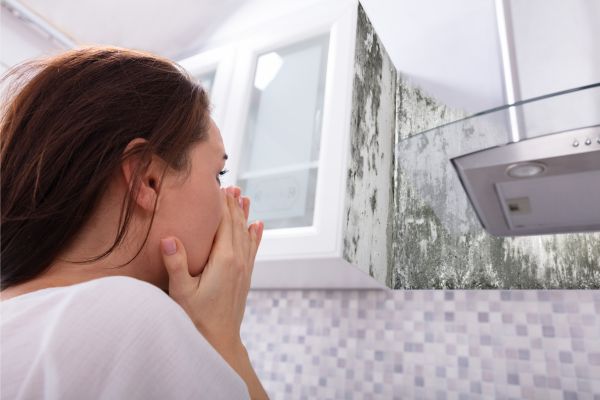
You need testing if you see visible mold but don’t know the extent of the problem, if you smell musty odors but can’t find the source, or if family members have unexplained respiratory symptoms that get better when they leave the house.
Testing also makes sense after water damage—even if you dried everything within 24-48 hours. Mold can start growing in that timeframe, and it’s often hidden behind walls or under flooring where you can’t see it. If you’ve had a leak, flooding, or persistent moisture problem, testing confirms whether mold developed or if you caught it in time.
Some people test before buying a home, especially older properties in Davisville where moisture issues are common. It’s cheaper to identify problems before closing than to discover them six months after moving in. Insurance companies sometimes require testing too, particularly if you’re filing a claim related to water damage or mold remediation.
An inspection is a visual assessment—we walk through your property looking for visible mold growth, moisture problems, and conditions that promote mold. Testing goes further by collecting samples to identify specific mold types and measure spore concentrations in your air or on surfaces.
You might need just an inspection if you have obvious mold and want to know the extent and source. But if you can’t see mold but suspect it’s there, or if you need documentation for insurance or health reasons, testing provides the concrete data you need.
Testing is also important when you’re dealing with potential black mold. Not all mold is the same—some types are relatively harmless while others produce mycotoxins that cause serious health problems. Lab analysis identifies exactly what’s growing in your home so you can respond appropriately. That matters because remediation approaches vary depending on mold type and concentration levels.
The on-site inspection and sample collection usually takes 1-2 hours depending on your home’s size and how many areas we’re testing. We’re thorough but efficient—we’re not going to disrupt your entire day.
Lab results typically come back within 3-5 business days. The lab needs time to culture samples and identify specific mold species, which can’t be rushed if you want accurate results. We’ll send you a detailed report that breaks down what was found, where it was found, and what the spore counts mean.
If you’re dealing with an urgent situation—like you’ve just discovered extensive mold growth or someone in your home is having severe respiratory reactions—we can often provide preliminary findings the same day based on visual inspection. That lets you start addressing immediate concerns while waiting for complete lab analysis. We’re available 24/7 for emergency situations where timing matters.
It depends on what caused the mold and what your specific policy covers. Most homeowners insurance covers mold remediation if it resulted from a covered peril—like a burst pipe or storm damage. But if mold developed from long-term neglect or maintenance issues, many policies won’t cover it.
Pennsylvania doesn’t have state regulations requiring insurance companies to cover mold, so coverage varies significantly between policies. You need to check your specific policy language or call your insurance company to ask about mold coverage limits and exclusions.
We work with insurance companies regularly and can help document findings in a way that supports your claim. That includes detailed reports, photos, and moisture readings that show the scope of the problem. We’ll also provide clear estimates for remediation work. Even if insurance doesn’t cover everything, having professional documentation often helps you get at least partial coverage rather than being denied entirely.
First, don’t panic. Finding mold doesn’t mean your home is uninhabitable or that you’re facing a five-figure remediation bill. It means you have information to work with instead of uncertainty.
We’ll walk you through exactly what we found—the type of mold, where it’s located, and how extensive the growth is. Then we explain your options. Sometimes that’s professional remediation to remove contaminated materials and treat affected areas. Sometimes it’s fixing a moisture source and monitoring the situation. Sometimes it’s minor enough that you can handle it yourself with proper precautions.
We don’t just identify mold—we find the source that’s causing it. That might be a plumbing leak, poor ventilation, foundation moisture, or HVAC condensation. Removing mold without fixing the underlying cause means it’ll just come back. We develop a plan that addresses both the existing mold and the conditions that allowed it to grow, so you’re actually solving the problem instead of just treating symptoms.
You can buy DIY mold test kits, but they have serious limitations. Most just tell you that mold spores are present—which is always true because mold spores exist everywhere, indoors and out. They don’t tell you what type of mold you have, whether levels are elevated, or where the actual growth is occurring.
Professional testing uses calibrated equipment to measure spore concentrations and compare them to outdoor baseline levels. That context matters because it’s the difference between normal background mold and a contamination problem. Lab analysis also identifies specific species, which determines whether you’re dealing with common surface mold or something more concerning like Stachybotrys (black mold).
The bigger issue is that DIY kits don’t include the inspection component. You might test the air in your living room while missing significant growth in your basement or attic. We know where to look based on your home’s construction, Davisville’s climate patterns, and common problem areas in Bucks County properties. We’re testing the right locations with the right methods, which gives you information you can actually use to make decisions.
Other Services we provide in Davisville